
 1 month ago
34
1 month ago
34
The Egyptian pound just pulled off something nobody had on their 2026 bingo card. The currency has gained roughly 4% against the US dollar since June 13, making it the top-performing currency in the world over that stretch.
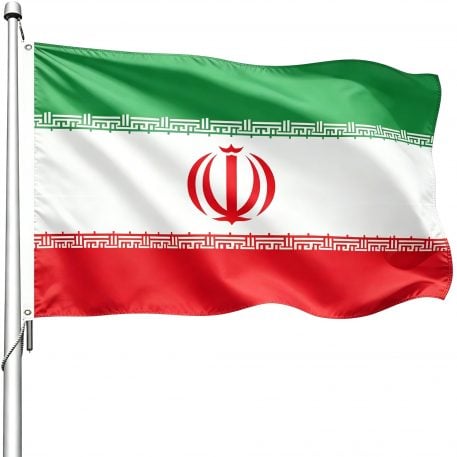
The catalyst: a preliminary agreement between the United States and Iran, unveiled around June 14-15, that includes measures to reopen the Strait of Hormuz. That narrow waterway handles approximately 20% of the world’s oil supply, and its effective reopening sent crude prices tumbling. For Egypt, a country that imports far more energy than it exports, cheaper oil is a direct balance-of-payments tailwind.
How a deal in the Gulf rewrote Cairo’s balance sheet
Every $10 increase in crude costs Egypt roughly $2.5 billion in additional import expenses. Flip that equation, and a meaningful drop in oil becomes a direct balance-of-payments tailwind. That’s exactly what markets are pricing in.
The USD/EGP exchange rate has shifted to around 51-52 pounds per dollar, down from prior levels near 54-55. The US-Iran framework deal goes beyond just reopening the strait. It reportedly involves extending a ceasefire and lifting elements of a US naval blockade, with a formal signing anticipated around June 19.
The dollar itself hasn’t helped its own cause. The USD hit a 10-day low during the same period, reflecting broader market optimism that geopolitical risk in the Middle East is cooling. When the dollar weakens and oil drops simultaneously, currencies like the Egyptian pound get a double boost.
Why Egypt was uniquely positioned to benefit
Egypt had been trading at the weaker end of its range near 54-55 per dollar. As a net energy importer running a tight balance of payments, any relief on the oil front directly improves its financial position.
The Strait of Hormuz dynamic also matters beyond just crude prices. The waterway is a critical artery for global trade, and any disruption ripples through shipping costs, insurance premiums, and supply chain reliability.
What this means for investors
If the US-Iran deal holds and oil prices remain subdued, Egypt’s import bill shrinks, its current account improves, and the central bank gets more breathing room on reserves. Lower energy costs could also translate into reduced inflationary pressure domestically.
The formal signing is expected around June 19. If tensions reignite or oil prices reverse course, the pound’s gains could evaporate. Egypt’s underlying fiscal challenges, including debt servicing costs and the need for continued IMF engagement, don’t disappear because crude dropped for a week.
The pound’s outsized move suggests the market views Egypt as one of the clearest beneficiaries of lower oil and reduced Middle Eastern risk, a thesis investors will be tracking through the rest of June.
Disclosure: This article was edited by Editorial Team. For more information on how we create and review content, see our Editorial Policy.













 English (US) ·