
 1 month ago
29
1 month ago
29
## Market Snapshot
The “Iran closes its airspace by May 8” market is currently priced at 16% YES, down from 20% 24 hours ago, reflecting reduced expectations of imminent closure. The “Strait of Hormuz traffic normalization by June 30” market remains uncertain, indicating ongoing geopolitical instability.
## Key Takeaways
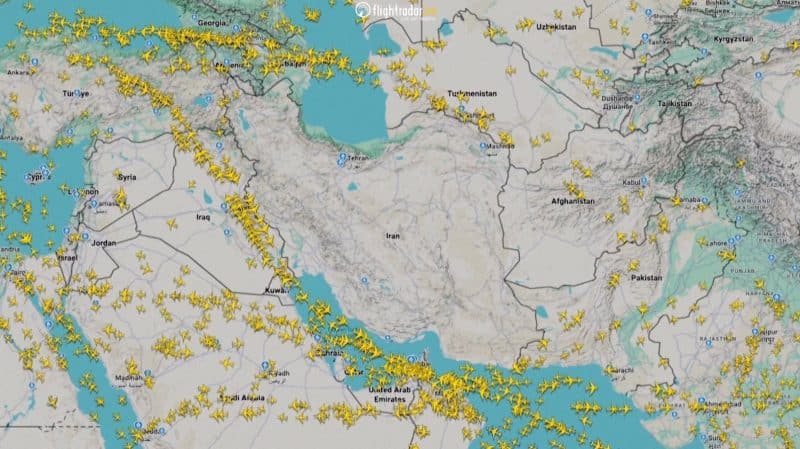
– The 66% decline in passenger numbers at Dubai International Airport appears to highlight the severe impact of the Iran conflict on regional air traffic. – Current market pricing suggests a decreased likelihood of Iran closing its airspace by May 8, with a notable drop in YES pricing from 20% to 16%. – Ongoing disruptions in Middle Eastern airspace may indicate sustained instability, which is consistent with a decrease in the likelihood of Strait of Hormuz traffic normalization by the end of June.
## Article Body
Dubai International Airport, the world’s busiest international hub, reported a 66% decline in passenger numbers for March, attributed to the ongoing war in Iran that has disrupted air traffic across the Middle East. The conflict, involving airstrikes between Iran and the US-Israel alliance, has led to extensive airspace closures and significant reductions in airline capacity. Major carriers such as Emirates, Qatar Airways, and Etihad have slashed or halted flights, contributing to the significant decline. The situation has doubled jet fuel costs and affected global air traffic, with a 2.5% contraction reported in early March.
## Market Interpretation
Market activity appears to align with the news of severe disruptions, as reflected by the 16% YES pricing for Iran closing its airspace by May 8. The impact is assessed as moderate, given the current geopolitical climate. The decrease in YES pricing suggests market participants may see a reduced likelihood of immediate airspace closure, though regional instability remains a concern. Meanwhile, the prospects for traffic normalization through the Strait of Hormuz by the end of June appear less likely, indicating persistent uncertainties.
## What to Watch
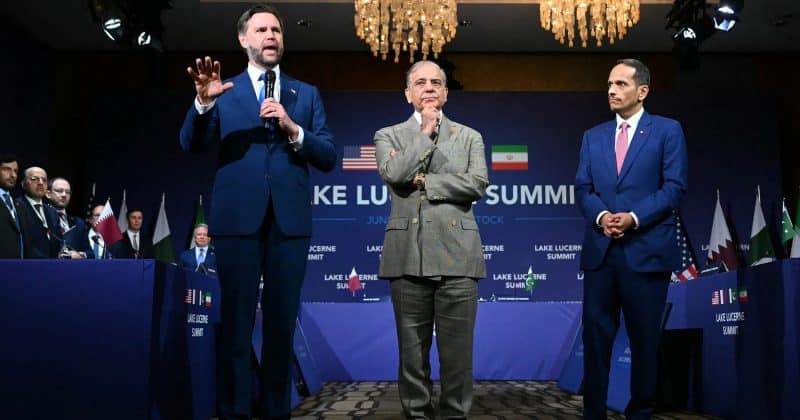
Observers should monitor statements and actions from key Iranian officials such as Supreme Leader Ali Khamenei and President Masoud Pezeshkian. Additionally, developments in diplomatic efforts and military activities in the region could significantly influence market expectations. Any announcements regarding changes in airspace status or Strait of Hormuz traffic will be pivotal in shaping future market movements.
Get prediction market intelligence as a structured API feed. Early access waitlist.
Iran Closes Its Airspace
Iran Military Action Against April 30
| April 30, 2026 | 100% | — | — | View market → |












 English (US) ·