
 1 hour ago
1
1 hour ago
1
President Donald Trump said on June 5 that his administration is actively considering taking an equity stake in leading artificial intelligence companies. The idea, floated aboard Air Force One, would effectively make the US government a shareholder in some of the most valuable private companies on Earth.
A White House meeting with executives from major AI firms is planned for the week of June 8. The guest list reportedly includes representatives from the companies that have come to define the current AI arms race: OpenAI, Anthropic, xAI, Google, and Microsoft.
The Intel playbook
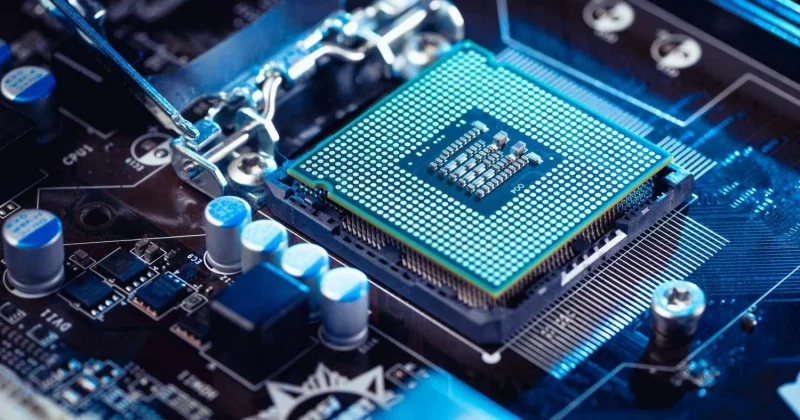
The US government previously acquired a 10% stake in Intel, a deal that correlated with the chipmaker’s stock price roughly doubling. The administration has held stakes in approximately 10 to 20 companies, primarily in the semiconductor and tech sectors.
Discussions between the White House and OpenAI CEO Sam Altman about a potential government investment reportedly began as early as 2025. Those conversations centered on public wealth-sharing mechanisms, essentially finding ways to ensure that the economic windfall from AI doesn’t exclusively benefit Silicon Valley insiders and their venture backers.
Several major AI players, including OpenAI, Anthropic, and SpaceX, are in various stages of preparing for public offerings. A government stake acquired before an IPO could generate significant returns if these companies debut at the valuations the market currently expects.
Not everyone’s on board
David Sacks, who previously served as Trump’s own AI advisor, voiced concerns about the initiative. His argument centers on the risk of what he described as corporate-government fusion, a scenario where the line between regulator and shareholder becomes uncomfortably blurred.
On the other end of the political spectrum, Senator Bernie Sanders has proposed something far more aggressive: a 50% government ownership model for certain AI companies.
What this means for investors
The mechanics matter enormously: whether the government negotiates equity at a discount, whether stakes come with board seats or governance rights, and whether participation is voluntary or tied to regulatory approvals.
The Intel precedent suggests the administration will frame any deal as a win for taxpayers. But Intel is a mature semiconductor company with predictable cash flows. AI startups valued at hundreds of billions on the promise of artificial general intelligence are a different animal entirely.
Disclosure: This article was edited by Editorial Team. For more information on how we create and review content, see our Editorial Policy.













 English (US) ·