
 1 hour ago
2
1 hour ago
2
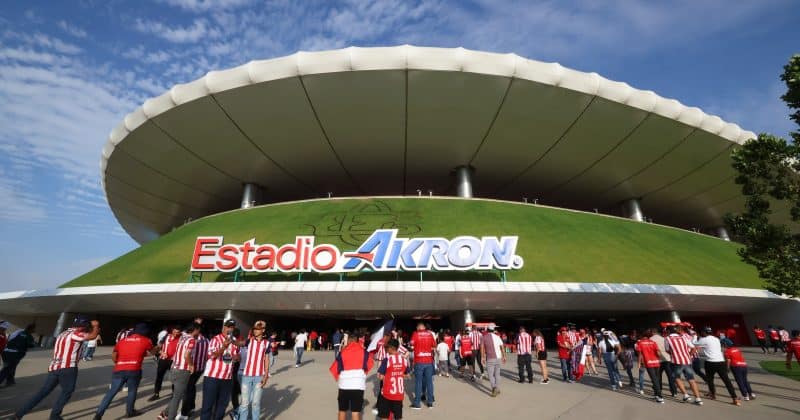
Outside SoFi Stadium in Inglewood, California, the pregame atmosphere before Iran’s World Cup opener against New Zealand looked nothing like a typical soccer tailgate. Instead of face paint and foam fingers, over 200 members of the Iranian diaspora gathered with a very different kind of team spirit: protest signs, chants calling for regime change, and the pre-revolutionary Lion and Sun flag that has been banned inside FIFA venues.
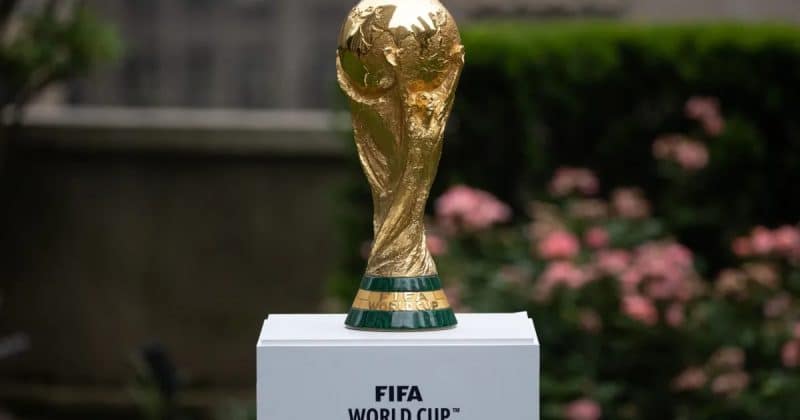
The demonstrations on June 15 represented the latest collision between international sport and Iranian domestic politics, a tension that has simmered for decades but reached a boil during the 2026 FIFA World Cup on American soil.
Flags, lawsuits, and a community divided
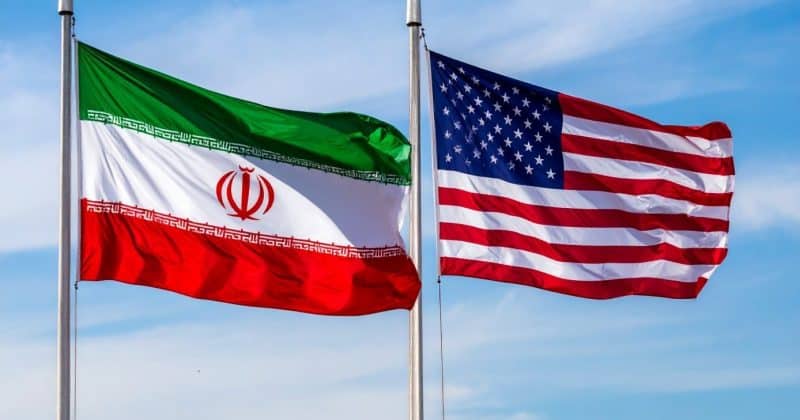
The Lion and Sun flag is not just a piece of cloth to the Iranian diaspora. It is, for many, a symbol of the Iran that existed before the 1979 Islamic Revolution, when the current regime replaced the old tricolor with its own version. Displaying it inside FIFA stadiums is prohibited under the governing body’s regulations, which restrict political symbols and messaging at matches.
A last-minute lawsuit was filed in California courts by the Iranian American Institute for Voices for Liberty, challenging FIFA’s decision to ban the flag from stadiums. FIFA has maintained its position, though some displays of the pre-1979 flag were reportedly observed at other matches during the tournament, suggesting enforcement has been inconsistent.
The protests were not confined to match day. As the Iranian national team arrived in the US ahead of the tournament, demonstrators gathered near the team’s hotel and training facilities in the Los Angeles area.
The weight of history on the pitch
During the 2022 World Cup in Qatar, Iranian players made headlines by refusing to sing the national anthem before their opening match against England, a silent protest that aligned them, at least momentarily, with the massive protests sweeping Iran at the time following the death of Mahsa Amini in morality police custody.
Hosting the 2026 tournament in the United States, home to one of the largest Iranian diaspora communities in the world, guaranteed that the intersection of sport and politics would be impossible to avoid. Southern California in particular has a massive Iranian-American population, which is why SoFi Stadium became a natural focal point for organized demonstrations.
Disclosure: This article was edited by Editorial Team. For more information on how we create and review content, see our Editorial Policy.




 English (US) ·