
Democrats in Congress have reached a rare moment of internal consensus: artificial intelligence needs legal guardrails. The problem is that “guardrails” means very different things depending on which Democrat you ask, and the resulting policy fragmentation has left the party without a unified AI tax framework heading into the November midterms. The proposals on the table The most inventive pitch comes from Rep. Greg Casar, whose AI Tax and Work Protection Act would impose an excise tax on AI token usage or product revenue. The tax would kick in at 2% when unemployment exceeds 5%, essentially tying AI’s tax burden to its real-world labor market consequences. Sen. Bernie Sanders went bigger, as he tends to do. His proposal calls for a one-time 50% equity tax on companies generating over $200 million annually in AI-related gross receipts. Sen. Ron Wyden took a different angle entirely, proposing a low single-digit excise tax on data center gross receipts while also targeting the elimination of certain beneficial tax incentives that currently flow to these facilities. Warren turns up the heat on Big Tech On September 28, 2026, Sen. Elizabeth Warren and five other Democratic senators se...
Democrats divided on AI regulation tax proposals as midterms approach
 1 hour ago
2
1 hour ago
2
Related

Gemini expands prediction markets ahead of 2026 US midterm e...
24 minutes ago
0

ExodusPoint partners with Anthropic to bring AI agent Claude...
25 minutes ago
0

ExodusPoint partners with Anthropic to expand AI agent Claud...
27 minutes ago
0

Bank of England’s Mann warns inflation above 2% threatens cr...
27 minutes ago
0
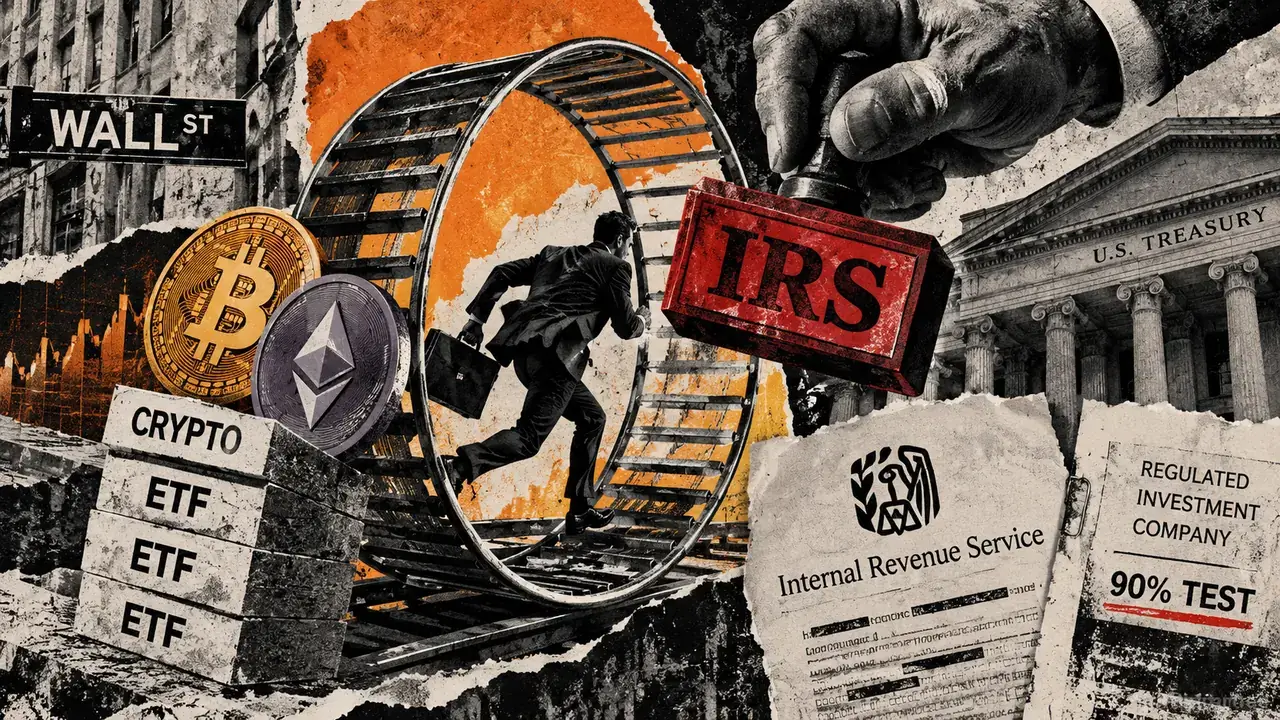
A $7 billion crypto ETF plumbing boom just ran into the IRS
32 minutes ago
0

Gary Gensler warns US AI firms face challenges from Chinese ...
33 minutes ago
0
Robinhood Chain generates $50M in transaction fee revenue, d...
34 minutes ago
0
Valour launches Europe’s first Zcash ETP, undercutting 21Sha...
35 minutes ago
0
Popular

Starknet shields 45 assets with new privacy framework
3 weeks ago
90


SpaceX returns to $2T valuation after IPO volatility
3 weeks ago
41



Stablecoins could enter M1 or M2, Fed study says
3 weeks ago
38
Binance launches PONS and Hajimi perpetual futures
3 weeks ago
38
 English (US) ·
 © Clint's Cryto News 2026. All rights are reserved
