
 1 month ago
30
1 month ago
30
Copper dropped more than 1% following the Federal Reserve’s latest policy meeting, where new Chairman Kevin Warsh’s first FOMC gathering delivered a surprisingly hawkish tone that sent tremors through commodity markets.
The Fed held its benchmark rate steady at 3.5% to 3.75% on June 17, marking the fourth consecutive meeting without a change. That part was expected. What wasn’t expected: half the committee now thinks rates need to go up.
The dot plot tells the story
Nine out of eighteen FOMC members projected at least one 25-basis-point rate hike before the end of 2026. That’s a meaningful hawkish shift in the so-called “dot plot,” the Fed’s chart showing where each member expects rates to land. For context, this level of hawkish consensus wasn’t priced into markets heading into the meeting.
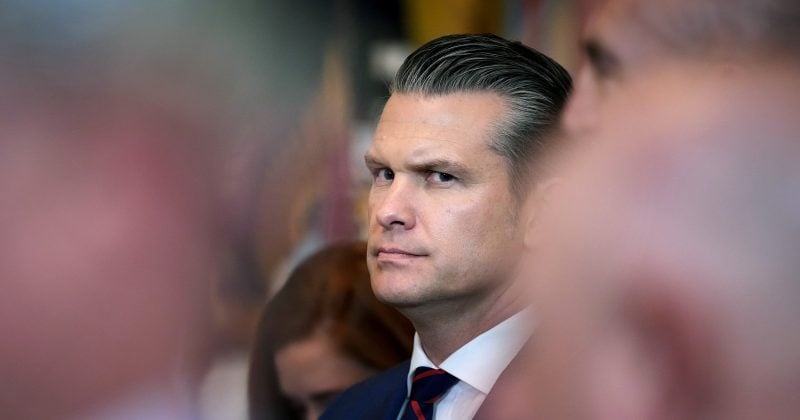
Warsh himself didn’t submit his own dot-plot forecast. He called the exercise “unhelpful,” leaving markets guessing about where the most powerful central banker in the world actually stands.
That ambiguity, combined with the committee’s lean toward tightening, was enough to rattle traders. Stocks declined, rate-hike odds for later in 2026 climbed, and copper took an immediate hit.
Why copper cares about interest rates
Copper is often called “Dr. Copper” because its price tends to reflect the health of the global economy. It’s used in everything from electrical wiring to construction to electric vehicles. When central banks signal they might pump the brakes on growth, copper tends to sell off.
Higher interest rates typically strengthen the US dollar, which makes dollar-denominated commodities like copper more expensive for international buyers. That suppresses demand. At the same time, higher borrowing costs slow down construction, manufacturing, and infrastructure spending, all sectors that consume massive amounts of copper.
Warsh’s Fed takes shape
Kevin Warsh was sworn in as the 17th Chairman of the Federal Reserve on May 22, 2026, after being nominated by President Donald Trump and confirmed by the Senate. His appointment was closely watched by markets, given his reputation as someone generally skeptical of prolonged easy-money policies.
The June 17 meeting was his first time presiding over the FOMC. The committee’s shift toward projecting rate hikes represents a meaningful change in the Fed’s collective thinking about where policy needs to go. Warsh’s decision to withhold his own dot-plot projection, by calling the exercise unhelpful, leaves market participants with less information about the chairman’s personal policy preferences.
What this means for investors
The current federal funds rate of 3.5% to 3.75% is already elevated compared to the near-zero rates that fueled the 2020-2021 bull runs across both traditional and crypto markets. If the Fed follows through on even one additional hike this year, borrowing costs will climb further, putting additional pressure on leveraged positions and speculative bets.
With nine of eighteen FOMC members now projecting a hike before year-end, traders are already adjusting. That means the tightening effect on asset prices is already partially underway.
Warsh’s refusal to publish his own rate forecast creates an unusual dynamic. Normally, the chairman’s dot is the most scrutinized data point in the entire projection. Without it, the market is flying partially blind on the single most important voice in monetary policy.
Disclosure: This article was edited by Editorial Team. For more information on how we create and review content, see our Editorial Policy.





 English (US) ·