
 1 hour ago
1
1 hour ago
1
China now operates 60 nuclear reactors generating 58.7 GW of power, with another 36 units under construction. That construction pipeline alone represents more than 49% of all reactors being built worldwide. The US, meanwhile, still leads in total nuclear electricity generation at roughly 823 TWh annually versus China’s 451 TWh, but the trajectory couldn’t be more different.
The US has somewhere between 97 and 102 GW of installed nuclear capacity, but far more reactors are aging out than being built. China has nearly doubled its nuclear capacity since 2016 and is targeting 110 GW by 2030.
America’s nuclear growing pains
The Vogtle expansion in Georgia stands as the cautionary tale. The project was completed years behind schedule and at roughly twice the anticipated cost.
China has added approximately 3.3 GW of new nuclear capacity just since the beginning of 2025.
Why crypto and AI care about nuclear reactors
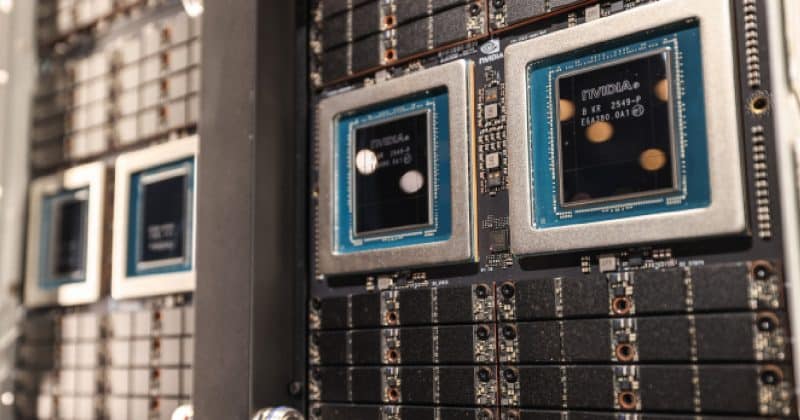
Bitcoin mining and AI data centers are among the most energy-intensive operations on the planet, and both industries are racing to secure reliable, carbon-free power sources. Proof-of-work mining rigs run 24/7 and consume enormous amounts of electricity. AI training clusters at companies like Microsoft, Google, and Amazon are projected to demand even more power in the coming years. Nuclear plants, which produce steady baseload power regardless of weather or time of day, are almost perfectly suited to feed these operations.
If the country reaches its 110 GW target by 2030, it will have an abundance of stable, low-carbon electricity that could be directed toward domestic tech operations, including any blockchain-related activities Beijing chooses to permit.
American crypto miners have already started exploring nuclear partnerships, with several operations co-locating near existing plants or signing power purchase agreements with nuclear generators.
The tokenization angle
The USNS token launched in May 2026 with a stated goal of tokenizing data in the US nuclear supply chain and uranium reserves. The concept centers on using blockchain verification to improve transparency across nuclear fuel logistics.
The US currently hosts a significant share of Bitcoin’s mining hashrate, a position it gained after China’s 2021 mining ban.
Disclosure: This article was edited by Editorial Team. For more information on how we create and review content, see our Editorial Policy.






 English (US) ·