
 1 hour ago
2
1 hour ago
2
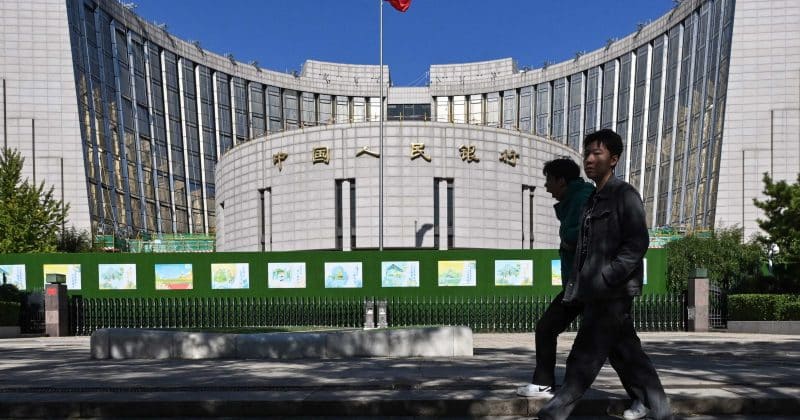
China’s central bank ran its first overnight reverse repo operation on June 29, and it did so without telling anyone what it cost to borrow. That detail, the interest rate, remains undisclosed.
What the PBOC actually did
The central bank announced on June 25 that it would conduct overnight reverse repo operations on June 29 and 30 to address liquidity demand at month-end. These operations use fixed-rate, quantity-based bidding, meaning the PBOC sets the price and banks bid for the volume they want.
The rate itself has not been published. Analysts anticipate it will fall somewhere between 1.3% and 1.35%, which would sit just below the current 7-day reverse repo rate of 1.40%. That 7-day rate was already cut by 10 basis points in May 2025.
Why the PBOC is building a new shelf in its toolkit
PBOC Governor Pan Gongsheng telegraphed the move at the Lujiazui Forum on June 17, framing overnight reverse repos as part of a broader effort to tighten control over short-term interest rates.
The specific mechanism is a narrower interest rate corridor. The PBOC is compressing the corridor for short-term rates from 70 basis points wide to 50 basis points.
The 7-day reverse repo became the PBOC’s primary policy benchmark in 2024, replacing an older, more complicated system that relied on multiple reference rates simultaneously. The PBOC added outright reverse repos in October 2024. The overnight tool announced now is the next layer of that ongoing refinement.
The decision to launch the debut operations specifically on June 29 and 30 is itself informative. Month-end is when liquidity demand peaks in the Chinese interbank market. Banks need to hit reserve targets, settle transactions, and balance books. Short-term rates have historically spiked during these windows.
What this means for markets and investors
For Chinese banks, a smoother overnight lending market means lower and more predictable short-term borrowing costs. The interbank rate feeds directly into the cost of lending further down the chain: to businesses, to consumers, to property developers still working through the real estate correction.
For global investors watching Chinese monetary policy, the undisclosed rate introduces a short-term uncertainty that will resolve quickly once the PBOC either publishes the rate or market participants infer it from transaction pricing.
Disclosure: This article was edited by Editorial Team. For more information on how we create and review content, see our Editorial Policy.












 English (US) ·