
 1 month ago
25
1 month ago
25
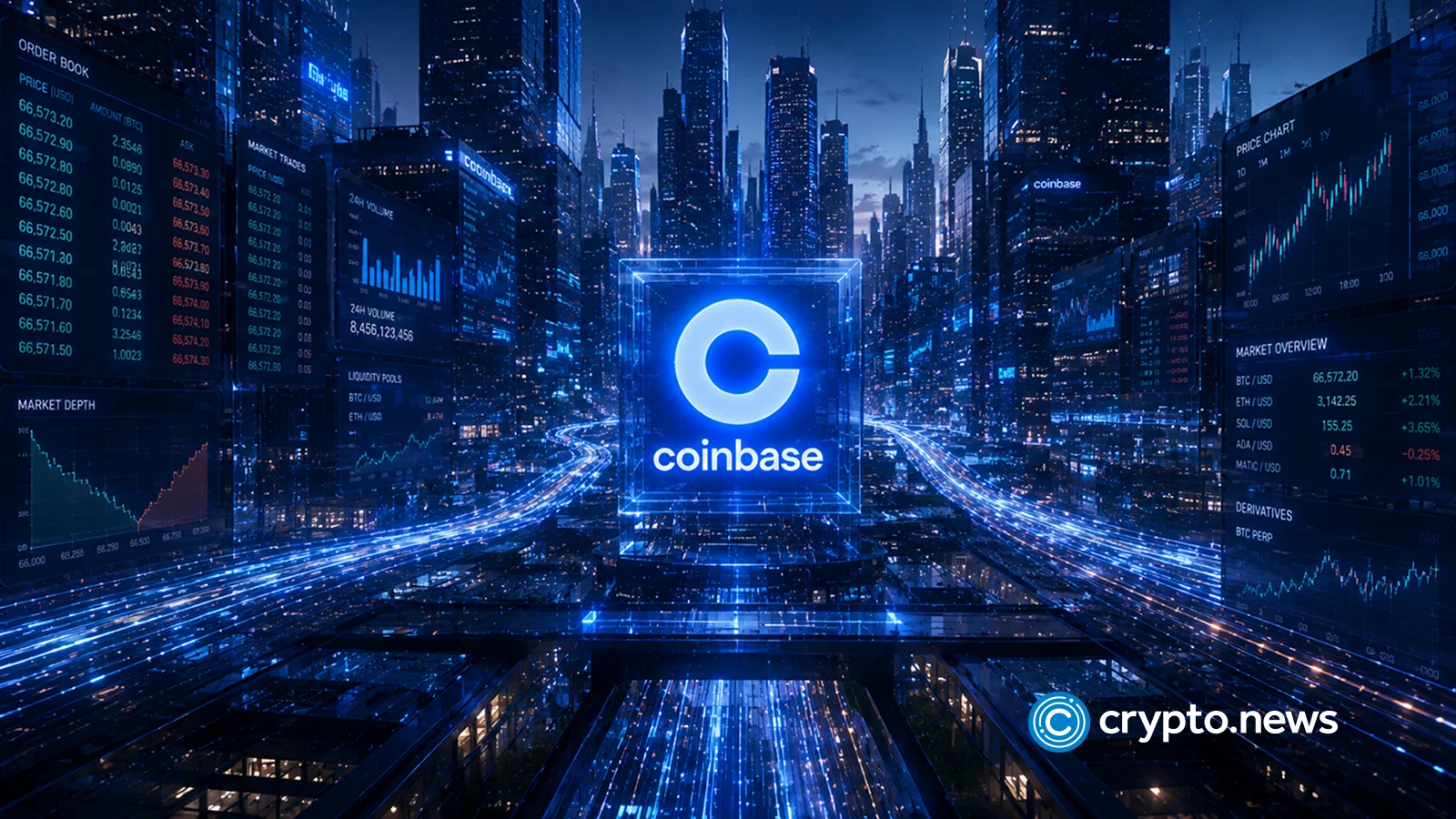
Centrifuge, the tokenization platform founded in 2017, has gone live on Base with what it calls deRWAs, short for decentralized real-world assets. The launch comes with a multimillion-dollar investment from Coinbase and positions Centrifuge as the primary tokenization infrastructure on the Ethereum Layer-2 network.
The debut product is deSPXA, a tokenized version of the S&P 500 index that enables 24/7 trading.
What Centrifuge actually built
Centrifuge’s approach with deRWAs allows institutional-grade tokenized assets to be issued, traded, and composed with other DeFi protocols. These aren’t just tokens that represent assets — they’re tokens that can plug into lending markets, liquidity pools, and other DeFi building blocks the same way stablecoins or ETH do today.
Base was a deliberate choice for this rollout. Coinbase’s Layer-2 network has accumulated over $1.5B in total value locked, and its low transaction costs make it practical for the kind of frequent, smaller interactions that DeFi composability requires.
The Coinbase investment adds another layer to the relationship. Having the largest US crypto exchange financially backing the tokenization platform is a signal to institutional players that this infrastructure has been vetted by a publicly traded company with its own regulatory obligations.
Multi-chain ambitions and the LayerZero connection
Centrifuge isn’t limiting itself to Base. Within the last month, the platform announced a collaboration with LayerZero to enable multi-chain RWA integration. This means tokenized assets created through Centrifuge’s infrastructure could eventually move across different blockchain networks, rather than being locked into a single ecosystem.
The multi-chain push also builds on Centrifuge’s earlier RWA Launchpad initiative, which was designed to create a scalable pipeline for bringing new asset classes on-chain, providing a framework for asset originators to tokenize their products without building custom infrastructure from scratch.
What this means for investors
A product like deSPXA illustrates the potential: the S&P 500 becomes tradeable 24/7 on-chain, composable with DeFi yield strategies, and available without a traditional brokerage account. For DeFi-native investors, it means portfolio diversification without leaving the on-chain ecosystem.
The risk side of the equation centers on regulation. Tokenized securities sit at the intersection of crypto and traditional finance, which means they potentially fall under the jurisdiction of multiple regulatory bodies. How these products are classified, what disclosures are required, and which entities can legally offer them to retail investors are all questions without definitive answers in most jurisdictions.
For DeFi protocols on Base, the integration could meaningfully expand what’s possible. Lending platforms could accept tokenized RWAs as collateral. Automated market makers could offer RWA trading pairs. Yield aggregators could route capital into tokenized asset strategies.
Disclosure: This article was edited by Editorial Team. For more information on how we create and review content, see our Editorial Policy.









 English (US) ·