
 1 hour ago
1
1 hour ago
1
US Central Command confirmed that American forces conducted defensive strikes against Iranian missile sites and vessels in the Strait of Hormuz after Iranian forces launched a coordinated attack on three US Navy destroyers. The strikes targeted missile and drone launch sites, command-and-control locations, and intelligence nodes across southern Iran.
No US assets were hit during the engagement. The Navy’s USS Truxtun, USS Rafael Peralta, and USS Mason successfully intercepted the incoming threats, which included missiles, drones, and small boats, before US forces responded with retaliatory fire. CENTCOM emphasized the strikes were purely defensive, not an escalation.
What happened in the Strait of Hormuz
The incident unfolded as the three guided-missile destroyers were transiting the Strait of Hormuz. Iranian forces launched what CENTCOM described as a multi-faceted attack combining aerial and naval threats simultaneously.
About a fifth of global petroleum passes through the Strait of Hormuz on any given day.
According to US military assessments, Iran’s capacity to launch strikes against ships transiting the Strait has been “significantly diminished” as a result of the engagement.
This engagement fits into a broader pattern of escalated military activity in 2026, including Operation Epic Fury and an ongoing US naval blockade that has redirected over 100 commercial vessels.
The ceasefire that wasn’t
Iranian forces launched a coordinated multi-vector attack on US warships during what was supposed to be a period of de-escalation. CENTCOM’s framing was deliberate and precise, with the word “defensive” appearing prominently in its characterization rather than “retaliatory” or “preemptive.”
What this means for crypto investors
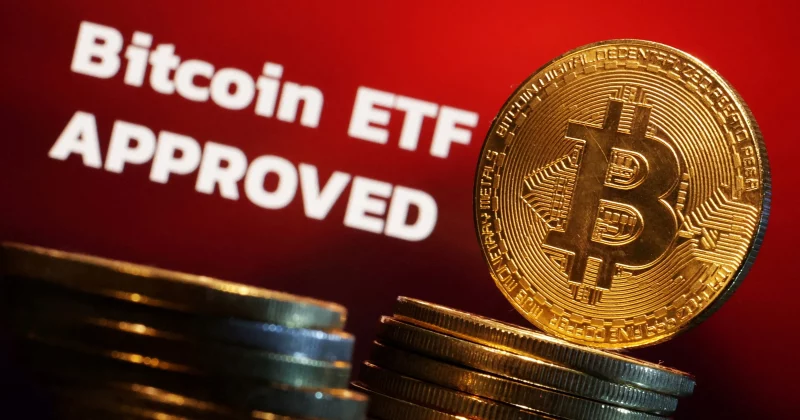
Bitcoin has historically acted as both a risk asset and a safe haven depending on the timeframe. In the immediate aftermath of military escalations, it tends to sell off alongside equities. During previous ceasefire announcements in this conflict cycle, Bitcoin surged past $72,000, suggesting that positive resolution news can trigger aggressive buying.
The redirection of over 100 commercial vessels due to the naval blockade is already putting pressure on global supply chains, which feeds into inflation expectations, which feeds into central bank policy, which feeds directly into how risk assets like Bitcoin and Ethereum are priced. Ethereum tends to be even more sensitive to these risk-off moves than Bitcoin, given its higher beta.
Disclosure: This article was edited by Editorial Team. For more information on how we create and review content, see our Editorial Policy.













 English (US) ·