
 1 month ago
36
1 month ago
36
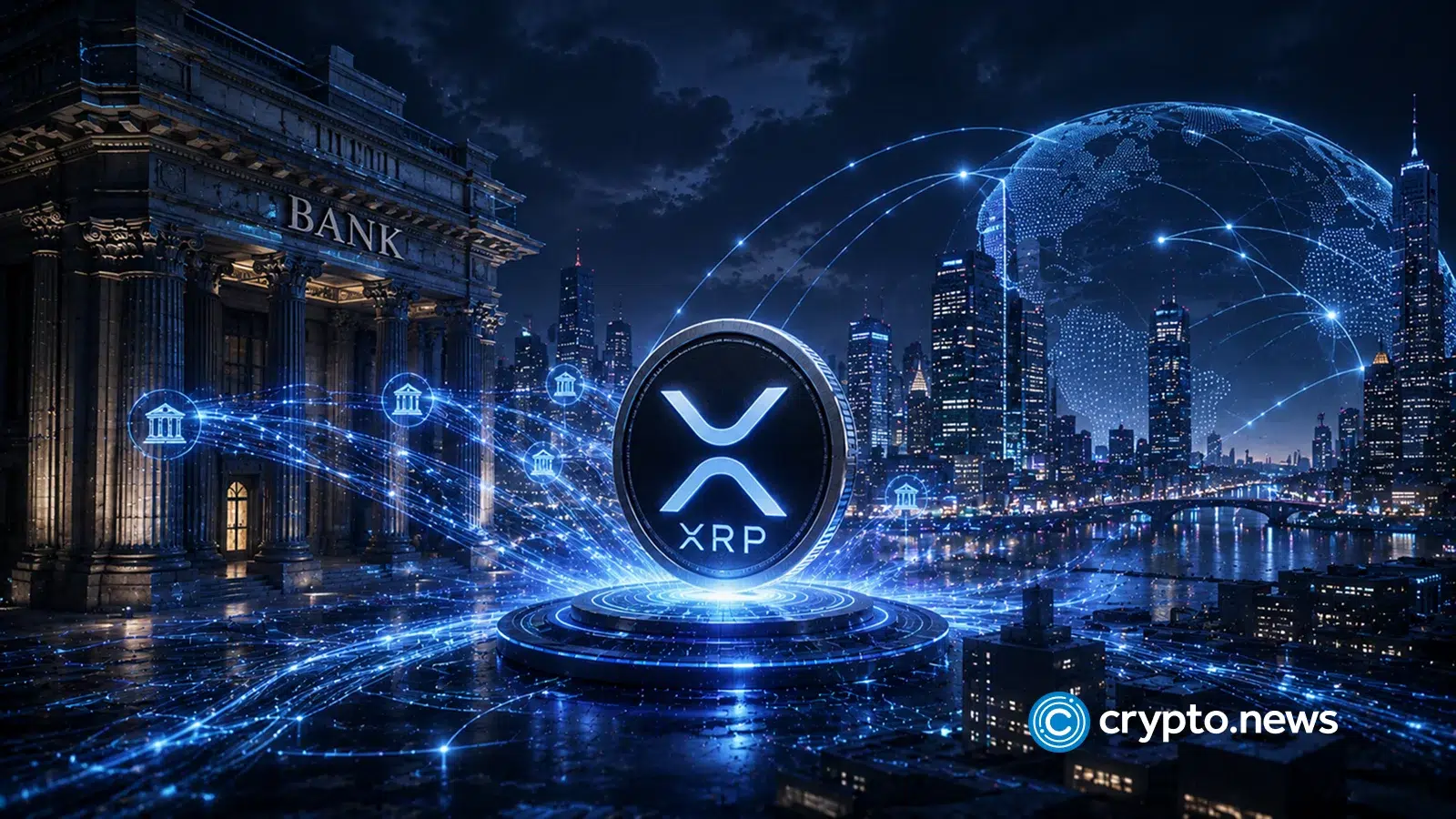
Brila, the restructured successor to lending protocol TrueFi, has rolled out a treasury management system designed to channel community demand directly into protocol reserves. The mechanism, part of Brila’s broader Elara platform, combines concentrated liquidity infrastructure with a collateralized debt position module to generate yield, effectively turning user activity into a self-reinforcing treasury engine.
From TrueFi to Brila: the backstory
The transition from TrueFi to Brila became official after the TrueFi community approved the TFIP-41 proposal on March 5, 2026. The restructuring created a new holding-company model based in Panama, designed to generate revenue through financing spreads, structured credit, and treasury strategies.
It also introduced a new governance and utility token called BRLA, with 35% of the total supply allocated to holders of the legacy TRU token. That allocation is accessible through claim portals, with layers of community participation baked into the governance structure post-launch.
TrueFi originated over $1.7B in loans since its 2020 launch, servicing more than 30 borrowers across both crypto-native institutions and traditional firms. It distributed over $40M in interest payments along the way.
BRLA is now actively trading on platforms including Hyperliquid, giving the token immediate market liquidity as the ecosystem finds its footing.
How Elara’s treasury engine actually works
Elara is where the “converting community demand into treasury reserves” claim gets concrete. The platform houses a Treasury Management System, or TMS, built around two core components: proprietary concentrated liquidity infrastructure and a CDP module.
The concentrated liquidity piece means Brila can deploy capital more efficiently within specific price ranges on decentralized exchanges, capturing more trading fees with less idle capital. The CDP module lets users lock up collateral and mint or borrow against it, generating yield for the protocol while keeping risk parameters tightly controlled.
The combination is designed to target net yield optimizations of 10-15% across its strategies. The strategic pitch positions Elara as a dollar-referenced treasury asset, serving as a yield-bearing complement that satisfies demand for controlled returns.
Three pillars, one ecosystem
Brila’s ecosystem spans three verticals: real-world asset lending through legacy vaults, NFT finance through an initiative called Cyan, and treasury and yield management via Elara.
The RWA lending arm carries the protocol’s track record. That $1.7B in originated loans and $40M in distributed interest gives Brila a verifiable history of moving money through credit markets. The borrower base of over 30 entities, spanning crypto and traditional finance, provides a diversified foundation.
The holding-company structure ties all three together, with revenue flowing from financing spreads across lending, structured credit products, and the treasury yield dynamics generated by Elara.
What this means for investors
The 10-15% net yield target from Elara deserves scrutiny, both for its appeal and its risks. The key question is whether concentrated liquidity strategies and CDP mechanics can consistently deliver at that level without taking on tail risks that only show up during market stress.
For TRU holders, the 35% BRLA allocation represents a meaningful migration incentive. The fact that BRLA is already trading on Hyperliquid means holders aren’t locked into an illiquid position while the ecosystem develops.
The risk to monitor is structural complexity. A holding company spanning RWA lending, NFT finance, and treasury management across entities based in Panama introduces layers of operational and regulatory exposure. Investors should watch how transparently Brila reports performance across each vertical and whether the treasury reserves actually grow in proportion to community demand, as the mechanism promises.
Disclosure: This article was edited by Editorial Team. For more information on how we create and review content, see our Editorial Policy.













 English (US) ·