
Government bond yields across the US, UK, and eurozone hit their highest levels of the month in mid-August 2026, driven not by Fed policy shifts but by inflation fears stoked by geopolitical instability. Brent crude surged to roughly $90 per barrel after US-Iran peace negotiations stalled, climbing 2.6% in a single session and approximately 13% over the preceding week. The Fed has kept policy rates steady, yet long-term borrowing costs are climbing anyway. The US bond market alone holds over $58 trillion in assets, making it a colossal force that can move independently of any single institution’s decisions. Several factors are converging to push yields higher. Persistent inflation expectations top the list, but they’re joined by ballooning government debt levels across developed economies, the massive capital demands from emerging sectors like AI infrastructure, and the supply constraints that come with all of the above. The stalled US-Iran negotiations have turned crude oil into the most immediate catalyst for the bond selloff. At nearly $90 per barrel, Brent is at levels that make central bankers uncomfortable. The European Central Bank and the Bank of England face economies that...
Bonds face bigger threat than Federal Reserve as global rates climb
 6 days ago
13
6 days ago
13
Related

Polymarket shows Democrats heavily favored for House, slight...
21 minutes ago
1

CoreWeave CEO Michael Intrator sells over 13,000 shares for ...
26 minutes ago
1

Egypt and Iran discuss de-escalation, diplomatic initiatives...
34 minutes ago
1
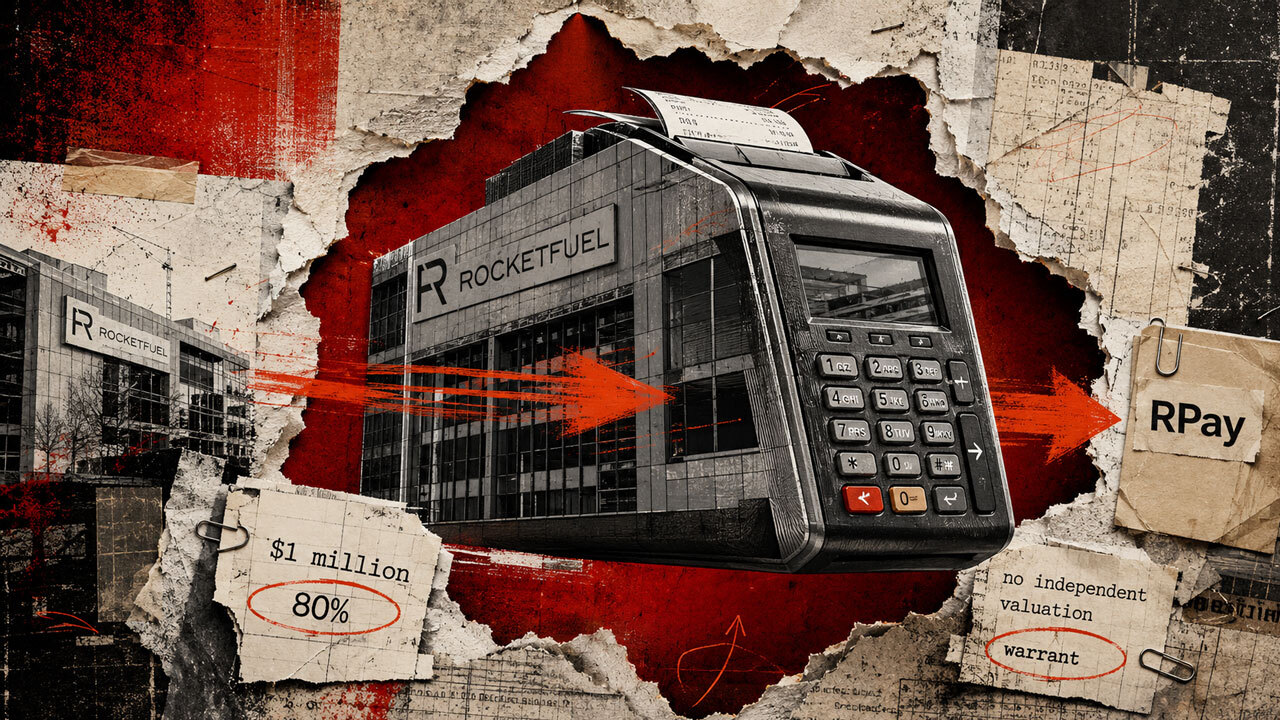
Inside transfer wipes out $1M executive debt as crypto firm ...
34 minutes ago
1

Ethena USDe Yield: Where It Comes From and What the BaFin Wi...
42 minutes ago
1

Nvidia’s data center revenue surges to $75.2B as AI infrastr...
48 minutes ago
1

Open interest on perp DEXs hits 2026 high as traders hold le...
52 minutes ago
1

Popular







 English (US) ·
 © Clint's Cryto News 2026. All rights are reserved
