
 1 month ago
33
1 month ago
33
Bitcoin fell to $78,600 on May 15 as bond yields surged to a 12 month high, rattling risk markets.
Summary
- Bitcoin fell to $78,600, down roughly 4% from Thursday’s $82,000 high, as bond yields hit their highest since May 2025.
- The 10-year Treasury yield reached 4.54% while Fed rate hike probability surpassed 44% according to CME FedWatch data.
- Crypto-linked equities including Coinbase, Circle and Strategy fell between 5% and 7% in the same session.
The US 10-year Treasury yield surged to 4.54% on May 15, its highest point since May 2025, after hotter than expected CPI and PPI data stoked fears of a Federal Reserve rate hike. The 30-year yield crossed 5% while the 2-year broke above 4%.
Inflation and yields hit crypto and equities
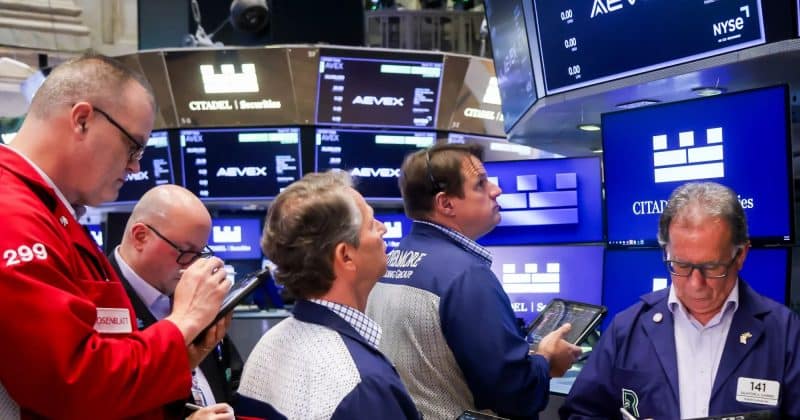
Bitcoin fell as low as $78,600, down roughly 4% from Thursday’s $82,000 high, before stabilising slightly above $79,000. The selloff spread to equities, with the Nasdaq 100 opening 1.7% lower and the S&P 500 falling 1.2%.
“The 10Y Note Yield is now above 4.50% for the first time since June 2025,” the Kobeissi Letter noted on X. “Rate hikes are now the base case for the Fed’s expected next move.”
Crypto-linked equities were hit harder. Coinbase dropped nearly 6%, Circle fell 7.4% and Strategy slid 5.4%. Bitcoin miners MARA Holdings and Hut 8 each lost around 7%, while Cipher Mining fell nearly 9%.
CME FedWatch showed more than 44% probability of a Fed rate hike by December, a sharp reversal from expectations of multiple rate cuts at the start of 2026. Gold fell 2.5% while oil rose 3%, crossing $100 per barrel as energy inflation compounded yield pressure.
April CPI came in at 3.8% while PPI matched 2022 levels at 6%, according to official data. Futures traders who began 2026 pricing two or more Fed cuts now expect rates to stay elevated through at least the first half of 2027.
Bitcoin remains below its 200-day moving average heading into the weekend, caught between a regulatory tailwind from the Clarity Act’s Senate progress and a macro headwind from rising yields and accelerating inflation.













 English (US) ·