
 2 hours ago
3
2 hours ago
3
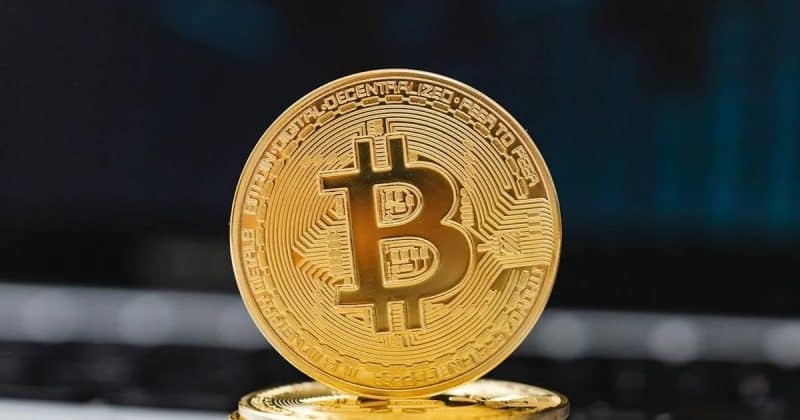
Bitcoin jumped back above $60,000, gold pushed past $4,050, and silver tagged along for the ride after Federal Reserve Chair Kevin Warsh told markets something they desperately wanted to hear: inflation risks have come down.
The comments, delivered at the ECB’s annual Sintra forum on July 1, marked a notable tonal shift from the hawkish posture the Fed struck just two weeks earlier. Markets responded by pricing in lower odds of near-term rate hikes, giving both risk assets and precious metals room to breathe.
What Warsh actually said, and why it matters
Warsh’s core message was deceptively simple. He acknowledged that inflation risks “have come down” in recent weeks while reaffirming the Fed’s commitment to its 2% target. He offered zero forward guidance on where rates are headed next.
This stands in sharp contrast to the tone set at the June 17-18 FOMC meeting, Warsh’s first as chair. At that gathering, the Fed held interest rates steady between 3.50% and 3.75% but revised its median federal funds rate projection upward to 3.8%, up from 3.4% previously. Nine of 18 officials indicated they expected at least one rate hike before the year ends.
That was a decidedly hawkish signal that rattled markets. Bitcoin, which had been trading around $66,000 heading into the June meeting, slid to the $64,800-$65,300 range in the aftermath. Gold pulled back toward $3,942.
Warsh also broke with tradition by not submitting his own economic projections in the dot plot, giving him maximum flexibility rather than being pinned down based on a single data point.
The jobs report that changed the calculus
Warsh’s softer tone didn’t arrive in a vacuum. June nonfarm payrolls came in at just 57,000 jobs added, a number that fell well below expectations and painted a picture of a cooling labor market.
For markets, the math was straightforward. Fewer jobs means less wage pressure, which means less inflation, which means the Fed has less reason to hike rates. The odds of a near-term rate increase dropped meaningfully after both the payroll data and Warsh’s remarks.
Bitcoin’s macro correlation keeps strengthening
Bitcoin’s recovery into the low $63,000s, after dipping on the hawkish June FOMC outcome, is the latest chapter in its evolving relationship with traditional macro indicators. Gold stabilizing above $4,050 tells a similar story from the traditional finance side.
Warsh is a relatively new Fed chair with a known personal interest in digital assets and crypto markets. His emphasis on data dependence, rather than preset rate path commitments, introduces a level of ambiguity that markets are currently interpreting as net positive for risk.
What investors should actually watch
The bullish reaction makes sense in context, but there are real risks lurking beneath the surface optimism. Half of FOMC officials still see at least one rate hike this year. The median projection of 3.8% implies the committee’s base case is that rates go higher, not lower, from the current 3.50%-3.75% range.
Warsh’s Sintra remarks didn’t contradict that outlook. He simply said inflation risks have diminished, not that they’ve disappeared.
For Bitcoin specifically, the recovery above $60,000 still represents a meaningful pullback from the $66,000 level seen before the June FOMC meeting. The asset needs to reclaim that pre-meeting range to convince technical traders that the correction is truly over rather than just pausing.
Disclosure: This article was edited by Editorial Team. For more information on how we create and review content, see our Editorial Policy.









 English (US) ·