
 1 hour ago
2
1 hour ago
2
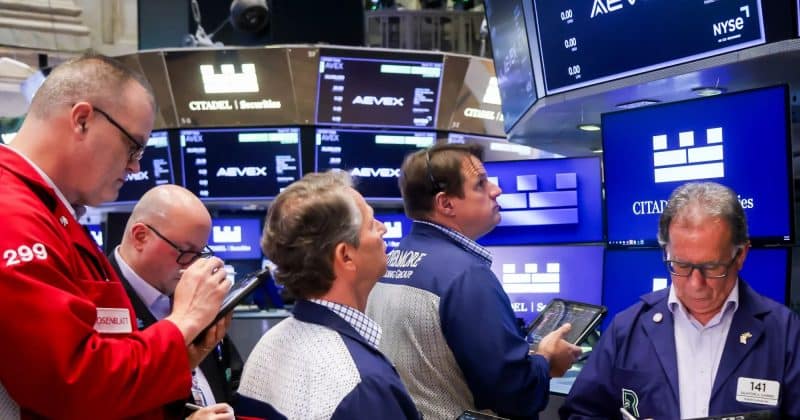
The US stock market has always had a closing time. For international investors, that closing time often falls somewhere deeply inconvenient, like 2 a.m. in Singapore or during a public holiday in São Paulo. Backpack, the crypto-native exchange and wallet operator, is done with that arrangement.
On July 10, 2026, Backpack officially launched a 24/7 trading market for US equities, starting with three listings: SpaceX (SPCX), Micron Technology (MU), and SanDisk (SNDK). The shares are tokenized, backed 1:1 by actual shares held in US custody, and tradable both through traditional brokerage infrastructure and directly on the Solana blockchain.
How this actually works
Each tokenized equity on the platform corresponds to a real share held in US custody. Holders are eligible for dividends and corporate actions, the same rights any shareholder would have. Buying SPCX on Backpack is not a bet on SpaceX’s price through a derivative. It is ownership of a SpaceX share, just represented as a token on a blockchain.
Settlement happens immediately. The tokens carry on-chain composability, meaning they can interact with other Solana-based applications. Custody and 1:1 redemption are facilitated through standard financial infrastructure, specifically ACATS and DTCC processes. Sunrise, a Solana-native protocol, manages the on-chain listings and liquidity.
The early numbers suggest real demand
This launch on July 10 is technically the second phase of a rollout that began in early June. Backpack Securities launched in June 2026, and SPCX was its debut listing, going live on June 12 alongside Backpack’s own Nasdaq IPO.
In the time since that initial listing, SPCX accumulated more than 10,000 on-chain holders and crossed $350 million in trading volume. Micron’s tokenized shares went live on June 22, 2026, timed just ahead of the company’s Q3 earnings release. SanDisk joins both as part of this July 10 expansion.
The broader Backpack ecosystem
Backpack offers a unified margin account that combines crypto, stocks, and lending in a single interface. The BP utility token, introduced in March 2026, sits at the center of the platform’s incentive structure. Staking BP provides benefits including lower trading fees and equity participation rights.
The progression here is deliberate. BP token launch in March, Backpack Securities and the SPCX debut in June, the 24/7 multi-equity market in July. Each step builds on the last.
What this means for investors and the broader market
Round-the-clock access changes the math on how international investors engage with US stocks. Price discovery no longer pauses for 16 hours at a stretch. News that breaks on a Sunday does not have to wait until Monday’s open to be reflected in a price someone can actually trade on.
Backpack’s use of standard ACATS and DTCC processes for custody and redemption positions it closer to the regulated mainstream than many earlier attempts, which leaned more heavily on synthetic structures. For investors weighing whether to engage with this kind of platform, the key questions are custody transparency, redemption reliability under stress conditions, and how corporate actions like stock splits or mergers get handled on-chain. Backpack’s 1:1 backing model and its use of established settlement rails address the first two more credibly than most competitors have managed.
Disclosure: This article was edited by Editorial Team. For more information on how we create and review content, see our Editorial Policy.








 English (US) ·