
 1 hour ago
1
1 hour ago
1
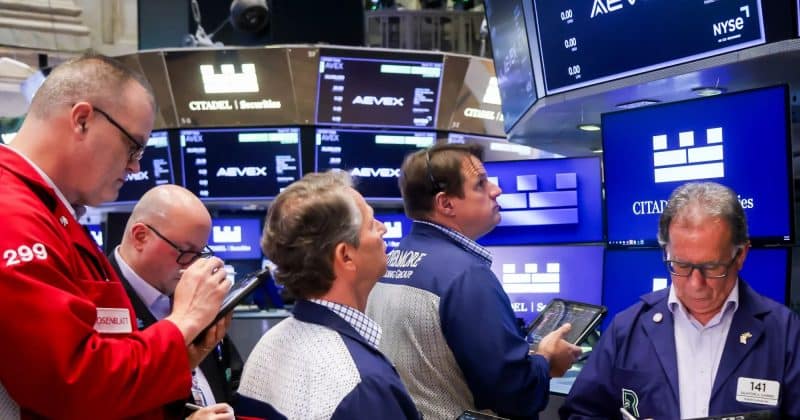
The Philadelphia Stock Exchange Semiconductor Index, better known as the SOX, has gained 94% year-to-date as of late June 2026. That puts it on pace for its strongest annual performance since 1999.
Despite that uncomfortable historical rhyme, analysts are pushing back against the idea that chip stocks have peaked. The thesis is straightforward: order visibility stretching into 2027, record corporate earnings, and an insatiable appetite for AI infrastructure all suggest the fundamental story hasn’t cracked yet.
A rally that refuses to quit
The numbers are genuinely eye-popping. The SOX surged 82% in Q2 2026 alone, a quarter so strong it would qualify as an exceptional full-year return for most indices.
Memory-chip giants Micron, SK Hynix, and Samsung each reached $1 trillion valuations during the rally.
Some individual names have posted even more absurd gains. Sandisk, for instance, peaked at over 570% year-to-date at one point.
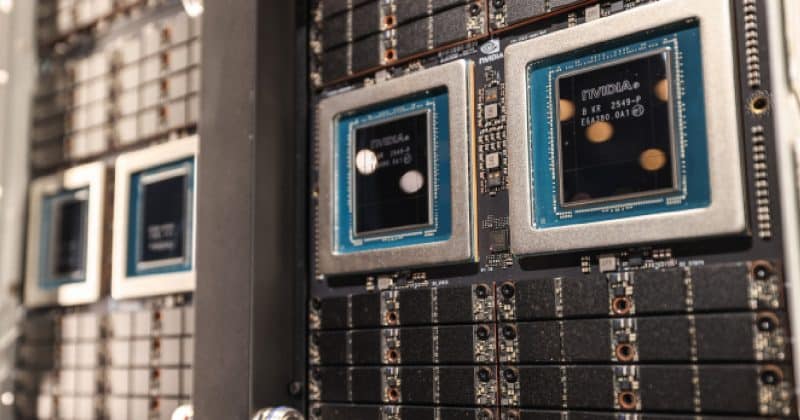
NVIDIA carries analyst price targets in the $298 to $300 range. That target reflects a consensus view that the company’s dominance in GPU-based AI training and inference workloads remains unchallenged in any meaningful way.
The June wobble and what it revealed
In June 2026, the SOX dropped 7.9% in a single session. That one-day semiconductor selloff dragged Bitcoin toward the $62,000 mark, illustrating a correlation between chip stocks and digital assets that has grown increasingly difficult to ignore.
Why the bulls aren’t backing down
The core argument against calling a top centers on demand visibility. Chipmakers are reporting order books that extend well into 2027, which is unusual. In a typical semiconductor cycle, order visibility of six to nine months would be considered healthy.
Record corporate earnings provide another layer of support. This isn’t a rally built on hope and PowerPoint slides. The companies in question are generating real revenue, real margins, and real free cash flow. When Micron and SK Hynix can sustain trillion-dollar valuations, it’s because HBM (high-bandwidth memory) is selling at prices and volumes that would have seemed fantastical two years ago.
For crypto investors specifically, the semiconductor sector has become a leading indicator worth monitoring closely. The June selloff demonstrated that a sharp correction in chip stocks can rapidly compress Bitcoin and other digital assets. The intertwining of these two asset classes means that earnings reports from NVIDIA, Micron, and their peers now function as quasi-macro events for digital asset markets.
Disclosure: This article was edited by Editorial Team. For more information on how we create and review content, see our Editorial Policy.














 English (US) ·