
 1 month ago
36
1 month ago
36
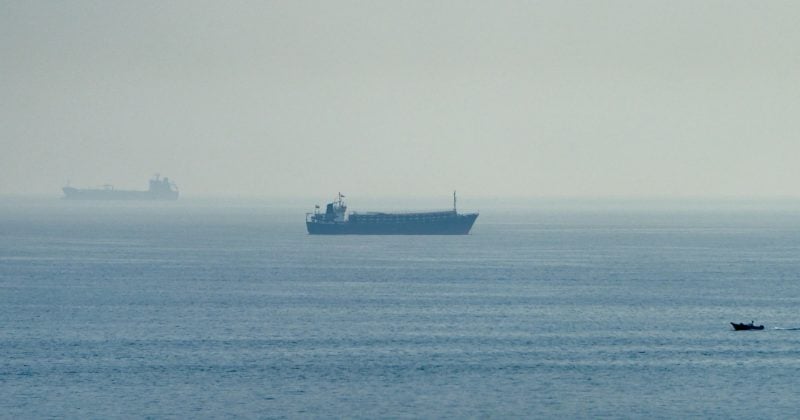
In a recent update, Secretary Wright stated that 67 ships passed through the Strait of Hormuz yesterday, with 55 ships transiting the day before. This level of maritime activity suggests that the flow of oil and oil products through the strait has returned to pre-conflict levels. The Strait of Hormuz remains a critical chokepoint for global energy shipping, with any changes in ship traffic directly impacting maritime security and energy markets. Despite continued tensions in the region involving the U.S., Iran, and Israel, the observed ship transit numbers indicate a potential stabilization, although not a complete normalization, of commercial shipping operations.
Key Takeaways
- The reported ship transits appear consistent with pre-conflict levels, suggesting some recovery in commercial traffic.
- The ongoing U.S.-Iran conflict has not fully resolved, but increased transits may indicate partial de-escalation efforts.
- Current market pricing suggests an increased likelihood of traffic normalization by the end of June 2026, as indicated by recent ship transit data.
What to Watch
Observers should monitor any further developments in the Strait of Hormuz, particularly any announcements from key actors such as the IMF and shipping insurers, which could impact market perceptions of traffic normalization. Additionally, any new military actions or diplomatic efforts between the U.S. and Iran could influence future ship transit rates. The situation remains fluid, and changes in ship traffic will likely serve as a key indicator of regional stability.
Get prediction market intelligence as a structured API feed. Early access waitlist.
Disclosure: This article was edited by Estefano Gomez. For more information on how we create and review content, see our Editorial Policy.














 English (US) ·